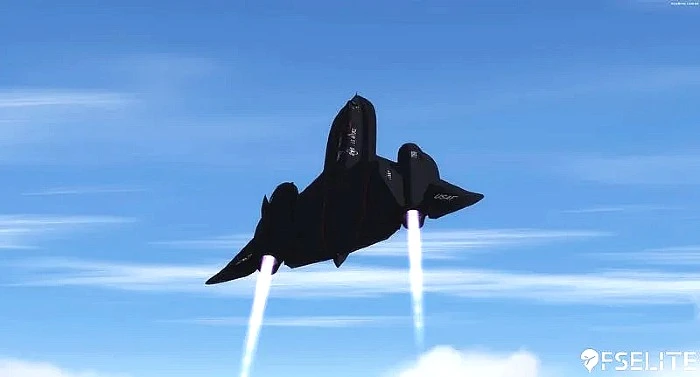
We Human beings should be grateful to those brave and brilliant Wright brothers for gifting their creation to humanity.
Their invention helped us travel to space and gaze at the wonders of space.
Since its use in wars, we pushed the ultimate boundaries of aircraft making, from commercial passenger planes to unmanned aircraft technology.
Now, limiting factors like altitude and speed are irrelevant, thanks to the discovery of jet engines in the latter half of the 20th century.
The evolution of military aviation accelerated advancements in high-speed aircraft, global logistics, and infrastructure, indirectly enabling the emergence of private jets and the expansion of large, modern airports for both civilian and strategic use.
Military research develops most aeronautical technology, such as missile systems, fuselage, afterburners, and aircraft design, at the Air Force Research Laboratory.
It is done to develop more advanced fighter aircrafts or helicopters that maintain a clear technological and tactical advantage over adversaries.
The Hawker Hunter was the fastest jet prototype in the world, breaking the world air speed record for aircraft at 727.63 mph in 1953.
In December 1959, Major Joseph W. Rogers set a world speed record for flying an interceptor aircraft Convair F-106 Delta Dart at the fastest speed 1525.96 mph (2,455.79 km/h).
Talking about modern Aeronautics, these machines can easily achieve supersonic speeds quickly.
But how fast do planes fly?
Depending upon the altitudes, fighter jets fly between 650mph to over 1,400mph.
There are many best fighter jets like combat aircraft, Fighter Planes, multirole airplanes, reconnaissance and Surveillance Planes, Attack Planes, or multi-role aircraft.
Among them, we will list out the top 10 fastest aircraft in the world in 2026:
10. Sukhoi Su-27 “Flanker”
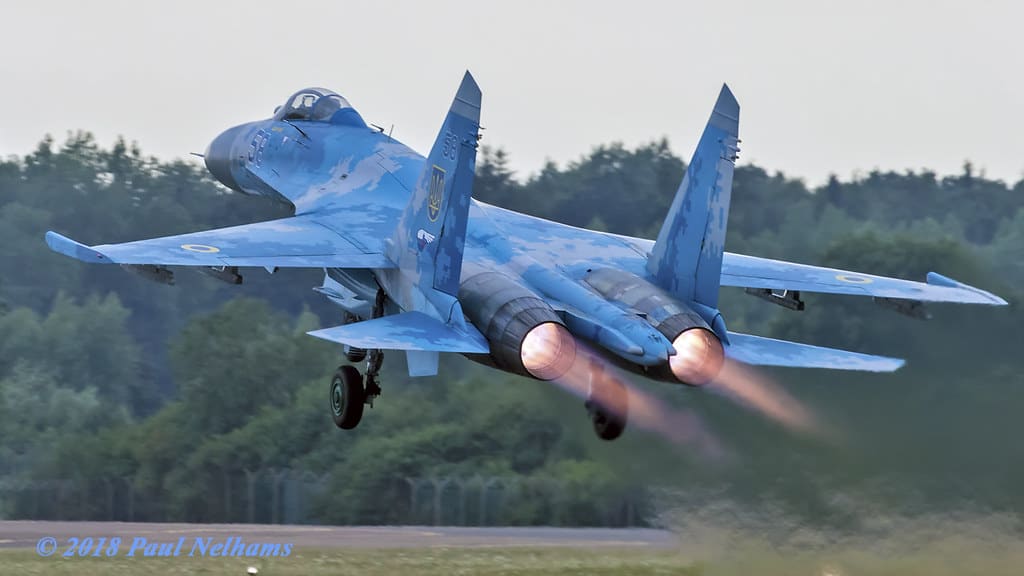
The Su-27 (NATO reporting name: Su-27 Flanker) is a Soviet-origin twin-engine supermaneuverable fighter aircraft capable of achieving the speed of Mach 2.35.
This Russian aircraft was designed for air superiority missions; subsequent variants can perform almost all aerial warfare operations.
The Soviets built it to counter the new American fourth-gen fighters like the F-15 Eagle or Grumman F-14 Tomcat for air superiority.
It is equipped with a 30 mm gun and ten internal turrets capable of holding air-to-air, heat-seeking, short, and medium-range rockets.
It has many distinct variations for all its achievements and popularity.
Just like the 5th-generation jet fighter Sukhoi Su-57, Sukhoi Su-27 can still be considered a modern fighter even 35 years after the Flanker’s first plane (1977).
9. General Dynamics F-111 Aardvark
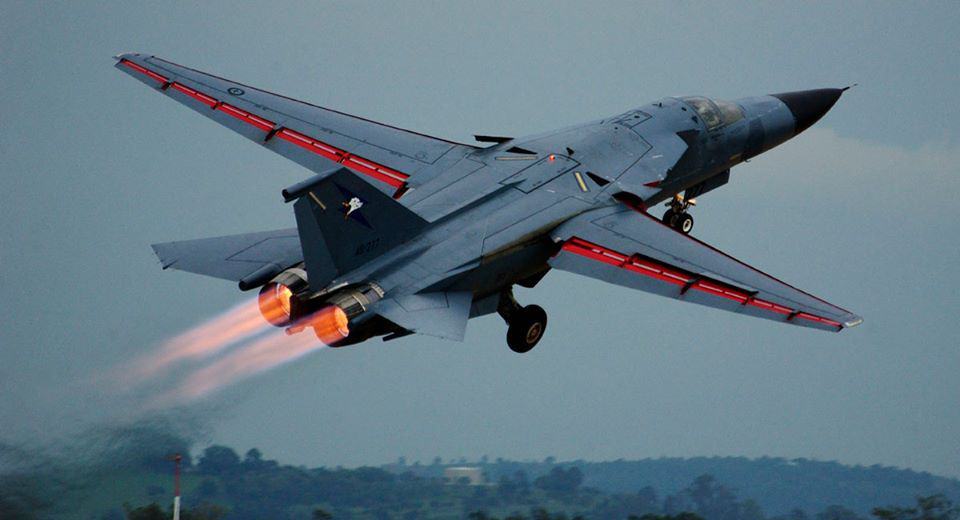
The General Dynamics F-111 Aardvark was an American supersonic, medium-range tactical attack aircraft that is now retired.
Beyond its primary strike role, the F-111 served in multiple variants, including strategic nuclear bombing, aerial reconnaissance, and electronic warfare missions, making it a highly versatile platform.
The aircraft introduced several advanced technologies for its time, such as variable-sweep (variable geometry) wings, afterburning turbofan engines, and terrain-following radar, which enabled high-speed, low-altitude flight.
Its design significantly influenced later aircraft like the Rockwell B-1 Lancer and Grumman F-14 Tomcat, both of which adopted similar variable-sweep wing concepts.
The concept of variable geometry wings became practical through engineering developments supported by NASA.
This design was necessary because, by the 1960s, increasing aircraft weight required improved lift during takeoff.
Fixed wide wings provided better lift but reduced speed and efficiency at higher altitudes. Variable-sweep wings solved this trade-off by allowing the wings to adjust position, providing better lift at low speeds and higher speed and efficiency at high speeds.
As a result, the F-111 achieved a balance of high speed, long range, heavy payload capacity, and shorter takeoff and landing performance, making it one of the most technologically influential aircraft of its era.
8. McDonnell Douglas F-15E Strike Eagle
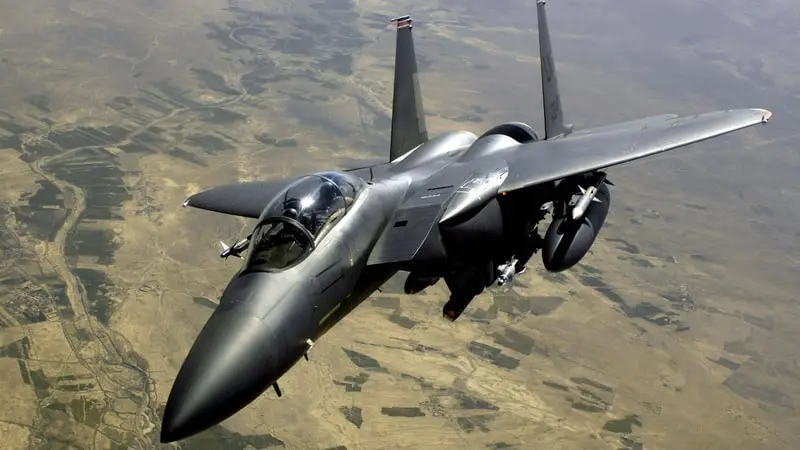
Even today, most people consider the McDonnell Douglas F-15 eagle to be one of the most successful fighter jets and fastest planes ever created, and it is still in service today in the U.S. Air Force.
The twin-engine and thrust-to-weight ratio of the Eagle of 1:1 can propel the plane of 18,000 kg to over 2.5 times the speed of sound.
Developed in 1976 (To counter Russian air superiority) and will stay a part of the air force until 2025.
Nearly 1200 F-15s were built and exported to Japan, Saudi Arabia, and Israel, among others.
USAF’s current plan is to continue producing them until 2019. It was first designed as an air-superiority aircraft but was later built as an Air-to-Ground variant, the F-15E Strike Eagle.
The F-15 Eagle can carry on its 11 hardpoints a range of Sparrow, Sidewinder, and 120-AMRAAM air-to-air missiles.
With its 20 mm M61A1 Vulcan gun and fastest speed, it is no surprise that this fighter jet has over 100+ confirmed aerial combat victories.
7. Mikoyan MiG-31 “Foxhound”
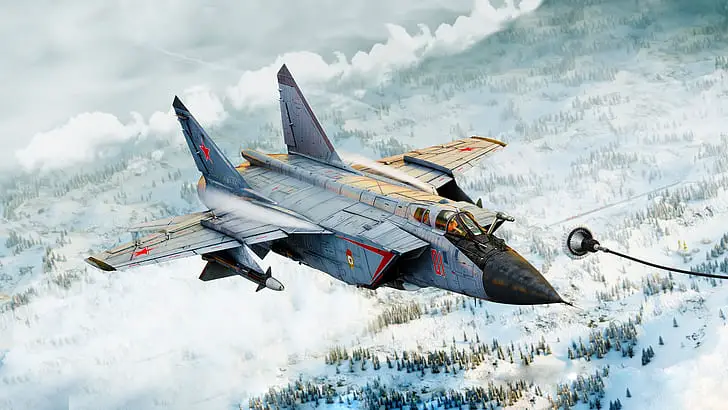
Mikoyan-Gurevich designed the plane as a replacement for the earlier MiG-25 “Foxbat.”
The MiG-31 is based on and shares design elements with its predecessors, MiG-25 and MiG-29.
MiG-31 distinguishes itself as one of the world’s fastest jet planes before and even now. It can fly at high altitudes at high speeds up to Mach 2.83 (2171.372 mph).
It is powered by two D30-F6 turbofan engines, each producing around 152 kN of thrust, enabling it to sustain Mach 1.23 (about 932 mph) even at low altitudes, which is an exceptional capability for a heavy interceptor.
The MiG-31 was among the first aircraft equipped with a phased array radar system, specifically the Zaslon S-800, making it the first operational fighter with a Passive Electronically Scanned Array (PESA) radar. This advanced radar allows the aircraft to detect targets at ranges of up to 200 km, track up to 10 targets simultaneously, and engage four targets at once using long-range missiles like the Vympel R-33.
As of the 2010s, the MiG-31 remained one of the few fighters capable of effectively deploying long-range air-to-air missiles in high-speed interception roles.
The aircraft entered production in 1975 and continues to serve with the Russian Air Force and Kazakhstan Air Force, with upgrades expected to keep it operational beyond 2030.
6. North American XB-70 Valkyrie
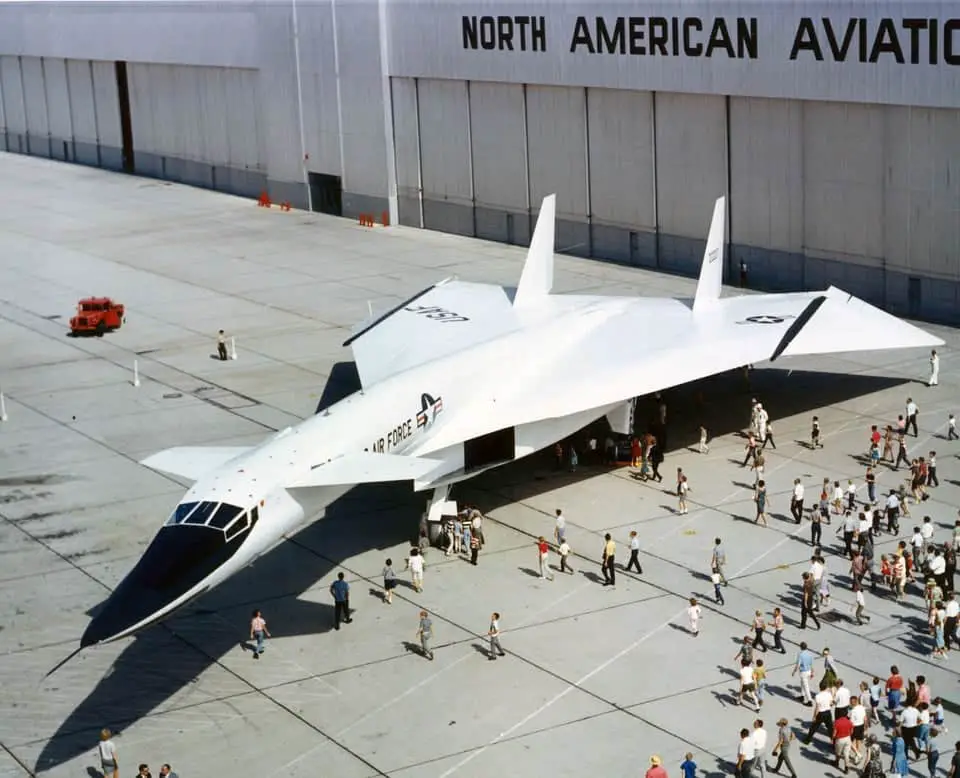
The XB-70 Valkyrie, North American Aviation, was a USAF nuclear-armed prototype model, a deep-penetration strategic bomber.
At the end of the 1950s, the Soviets introduced the first surface-to-air missiles, which threatened the B-70’s invulnerability.
Thus, the United States Air Force (USAF) conducted their missions at low altitudes, where the missile radar’s line of sight was limited to geographical features of the terrain.
The B-70 offered little additional performance in this low-level penetration role over the B-52, which was supposed to be replaced while being far more expensive with a low range.
To more effectively use the higher pressure field behind the powerful shock wave, the wing was built into an inboard camber at much higher speeds.
The outer sections of the aircraft wings were hinged and could be pivoted downward by up to 65 degrees, acting almost as a variable-geometry wingtip device.
This improved directional stability at supersonic velocities shifts the center to a more favorable position at top speeds and enhances the compression lift effect.
5. Bell X-2
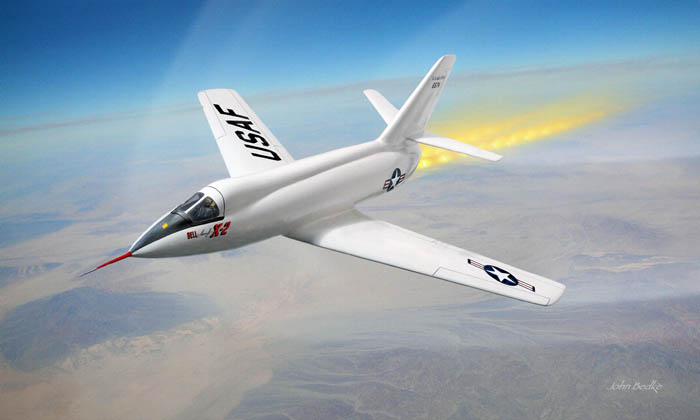
The Bell X-2 Starbuster was a high-speed research aircraft developed in the United States, first flown in 1955 and retired in 1956 as part of the X-2 program.
Its primary purpose was to study how supersonic aircraft behave at extremely high altitudes and speeds beyond Mach 2.
It followed the earlier Bell X-1, which was the first manned aircraft to break the sound barrier in level flight.
The X-2 had no weapons systems, as it was purely experimental. It featured swept-back wings to reduce air resistance and was designed to reach extreme speeds.
In 1956, it achieved a top speed of approximately Mach 3.2, making it one of the fastest aircraft of its time.
During a high-speed test flight, the pilot lost control after making a sharp maneuver at extreme speed.
The aircraft entered an uncontrollable spin, forcing the pilot to eject. However, due to parachute failure, he was unable to survive the ejection.
This fatal accident led to the termination of the X-2 program, marking a tragic end to an important phase of early supersonic research.
4. Mikoyan-Gurevich MiG-25 “Foxbat”
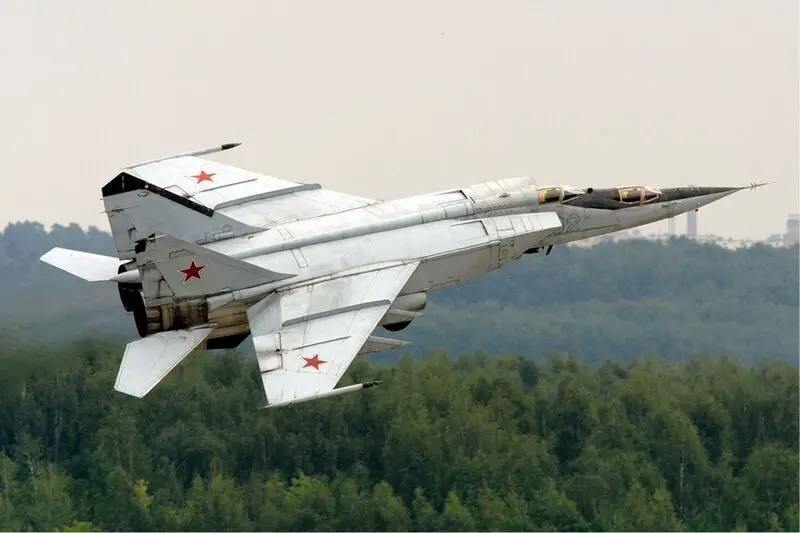
This Soviet aircraft was among the fastest military jet in the USSR.
It was developed during the Cold War as a high-speed interceptor designed to counter American aircraft such as the Lockheed SR-71 Blackbird and other fast surveillance platforms.
To meet this objective, the MiG-25 was engineered for extreme speed, reaching up to Mach 3.2, making it one of the fastest combat aircraft ever built.
Unlike the SR-71, which was a reconnaissance aircraft, the MiG-25 was a combat interceptor. It could carry four air-to-air missiles and also had limited ground-attack capability with unguided bombs, although its primary role remained interception.
While it never successfully shot down an SR-71, the MiG-25 saw active combat use, including operations during the Iran–Iraq War, where it demonstrated effective high-speed interception capabilities.
Between 1964 and 1984, over 1,100 units were produced. Today, its operational use is limited, with countries such as Russia, Syria, Algeria, and Turkmenistan still maintaining some aircraft in service.
Similar to the Mikoyan MiG-29, the MiG-25 was also capable of operating at extreme altitudes near the edge of the stratosphere, reinforcing its role as a high-speed, high-altitude interceptor.
3. Lockheed YF-12
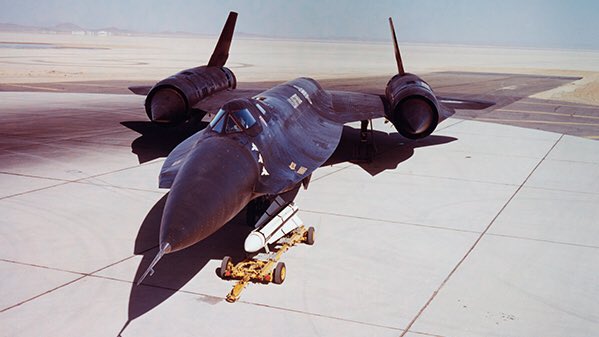
The Lockheed YF-12 was a high-speed interceptor prototype developed in the 1960s by Lockheed Martin for evaluation by the U.S. Air Force.
The YF-12 closely resembled the Lockheed SR-71 Blackbird and was armed with three air-to-air missiles, reflecting its intended role as a long-range interceptor. Both aircraft shared a common design lineage under engineer Clarence “Kelly” Johnson, which is why their appearance and structure were similar.
At the time, the YF-12 was considered one of the largest, heaviest, and fastest interceptor aircraft ever built. It achieved speeds exceeding 2,000 mph (3,200 km/h) and operated at altitudes above 80,000 feet (24,000 meters).
The aircraft set several performance records, although many of its speed and altitude achievements were later surpassed by the SR-71 Blackbird.
2. Lockheed SR-71 Blackbird
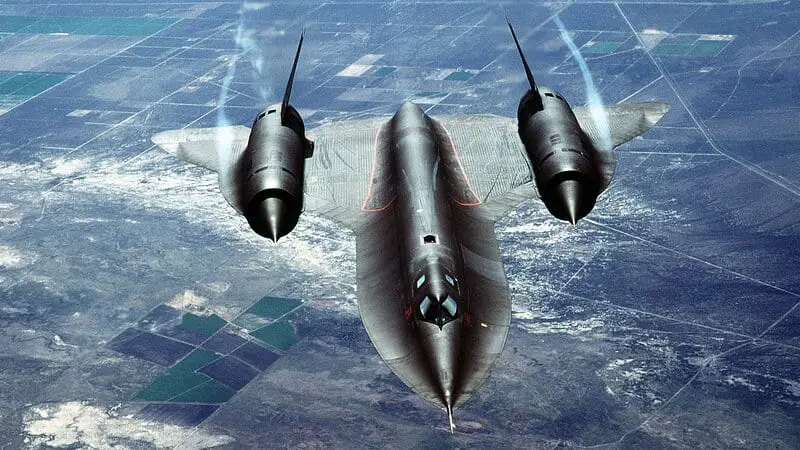
Even more than five decades after its first flight, the Lockheed SR-71 Blackbird remains the fastest operational jet aircraft ever built, used by both the United States Air Force and NASA.
A total of 32 Blackbirds were produced, primarily for strategic reconnaissance and experimental research.
Its extreme speed and high-altitude capability acted as its main defense, allowing it to evade enemy fighters and surface-to-air missiles rather than relying on traditional weapons.
The SR-71 could cruise near the edge of space, and during operations, it was capable of outrunning incoming missiles.
It holds the record for the highest altitude in horizontal flight by a jet-powered aircraft—85,069 feet, achieved on July 28, 1976.
But how fast is the fastest jet?
One of its most unique characteristics was the intense heat generated at high speeds. At Mach 3.3 (around 2,193 mph), air friction caused temperatures to rise dramatically, leading to thermal expansion of the aircraft’s structure.
To accommodate this, the aircraft was designed with small gaps in its panels, which caused fuel leakage when on the ground until it expanded and sealed during flight.
Its successor concept, the Lockheed SR-72, is projected to reach speeds of Mach 6 (around 4,500 mph), representing the next step in hypersonic reconnaissance technology.
1. North American X-15
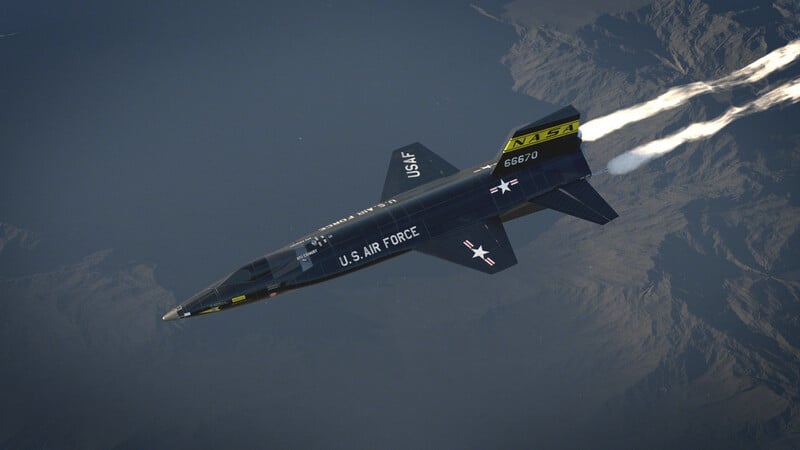
The North American X-15 was an experimental aircraft operated by the United States Air Force and NASA as part of the X-plane research program.
It remains the fastest manned aircraft ever built, reaching a top speed of Mach 6.7 (about 4,520 mph or 7,200 km/h), a record that still stands. This milestone was achieved on October 3, 1967, by pilot William J. Knight.
Although later experimental unmanned vehicles like the NASA X-43A and Boeing X-51 Waverider surpassed its speed, the X-15 remains unmatched among piloted aircraft.
The aircraft featured a rocket-powered propulsion system and was designed for stability at extreme altitudes using a large wedge-shaped tail and short wings. While effective at high altitudes, this design created significant drag at lower altitudes.
To operate, the X-15 was carried to about 14,000 meters (45,000 feet) by a Boeing B-52 Stratofortress before being released.
After drop launch, it ignited its rocket engine and accelerated to hypersonic speeds, enabling groundbreaking research in high-speed flight and space exploration.
Rocket thrusters were used to steer X15 as the plane operated at such extreme speeds.
Using traditional steering methods (rudder) could prove fatal (as the force would merely rip off or disturb its directional velocity).
All these factors enabled elevations of over 100 kilometers to be reached, which was one of its world records.
X-15 overall has these three world records:
1. It was the first operational spaceplane.
2. It got to a height of over 100 km.
3. It flew over six times the speed of sound (Mach 6.70).
If you liked this post about the fastest military aircraft in the world, share this with your friends on social media.
Regarding X15 I have a doubt..
If it flies at so high altitude why are its so small..
On contrary it should be big
its smaller so it has a larger thrust to weight ratio do it can go faster and at those heights it uses something called RCS which is basically smaller rockets positioned around the aircraft to help in turn and maneuver in low vacuum atmosphere.
Thanks Caden for explanation,
According to me,
Having bigger wings increases the drag coefficient (aerial friction) which in turn can reduce the speed (the plane’s only purpose).
The first one literlally like a rocket, a NASA’s or spaceX horizontal flying rocket
nyc artical
Awesome. Supercool.loveit!!!!!!!!!!!!
thanks for the info. Loved it.I want to be in the military AIR fORCE!
!!1. Boeing will mfg. an rocket power plane too! It will have an nuclear twin engine Rocket engine too! It will carried Passengers into space to Space Station too. Then to earth to the at the Space port too! By 2049 A.D. too!