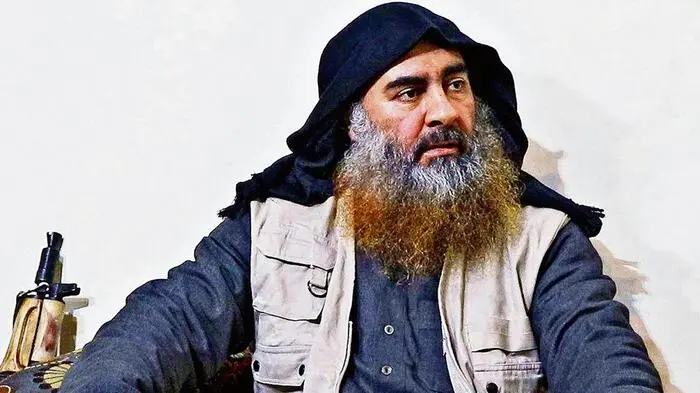
Evil is often used to describe people who commit cruel, violent, or morally shocking acts. While definitions of evil can vary between cultures and individuals, history remembers certain figures for their brutality, mass killings, and abuse of power.
Some people view evil through morality, psychology, or political ideology, while others define it by the suffering a person causes to others.
Regardless of perspective, certain historical figures are widely condemned for crimes against humanity, war crimes, and extreme acts of violence.
Below is a list of the top 10 most evil people in history, known for their destructive actions and lasting impact on the world:
10. Ruhollah Khomeini
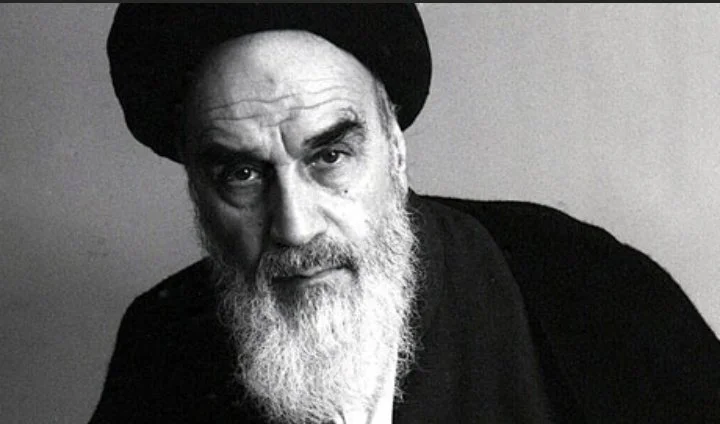
Ruhollah Khomeini was the founder of the Islamic Republic of Iran and the central figure behind the Iranian Revolution. He served as Iran’s Supreme Leader from 1979 until his death in 1989.
Under Khomeini’s leadership, Iran adopted a strict Islamic political system based on Shia Islamic law. His government enforced harsh religious and political rules, and opponents of the regime were often imprisoned, tortured, or executed.
Khomeini also played a major role during the Iran–Iraq War. Critics argue that rejecting peace proposals during the conflict contributed to massive casualties on both sides, with estimates reaching hundreds of thousands to over a million deaths.
His leadership remains highly controversial. Supporters view him as a revolutionary leader who challenged Western influence and reshaped Iran’s political system, while critics accuse him of establishing an authoritarian regime marked by political repression, executions, and restrictions on civil freedoms.
Many political and religious principles introduced during Khomeini’s rule continue to influence Iran’s government and political system today.
Scholars and analysts often describe his ideology as a major foundation of modern Iranian politics.
Khomeini died from cancer in 1989, but his political and religious legacy continues to shape debates about power, governance, and human rights in Iran and the broader Middle East.
But it’s considered that Ruhollah Khomeini is largely considered the foundational architect of the enduring ideological hostility between Iran and the United States in 2026, which fuels current tensions.
9. Kim family
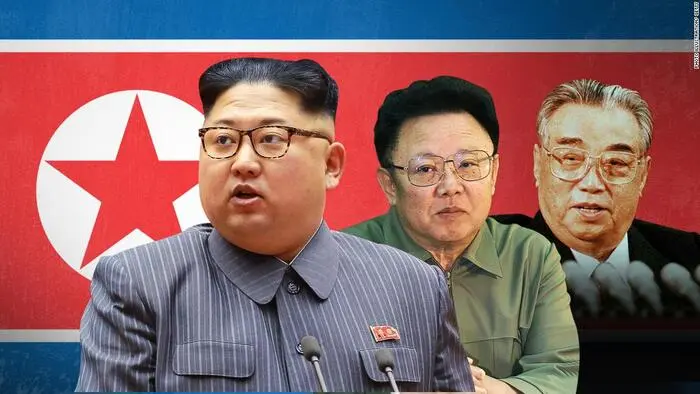
Kim Il-sung was the founder and first leader of North Korea. He ruled the country from 1948 until his death in 1994 and established the political system that continues to shape North Korea today.
Kim Il-sung played a major role in starting the Korean War, a devastating war that resulted in the deaths of millions of Koreans and caused widespread destruction across the Korean Peninsula.
During his rule, North Korea developed a strong personality cult around him. Citizens were heavily encouraged through state propaganda and strict government control to idolize and praise the country’s leader.
After Kim Il-sung’s death, power passed to his son Kim Jong-il, and later to his grandson Kim Jong-un, creating a rare three-generation political dynasty.
North Korea has faced decades of international criticism over human rights abuses, political repression, prison camps, executions, famine, and severe restrictions on freedom.
Reports from defectors and international organizations have described harsh prison conditions and widespread suffering caused by government policies and economic isolation.
For more than 70 years, North Korea’s authoritarian system has remained one of the most tightly controlled & most internationally hated governments in the world.
8. Idi Amin
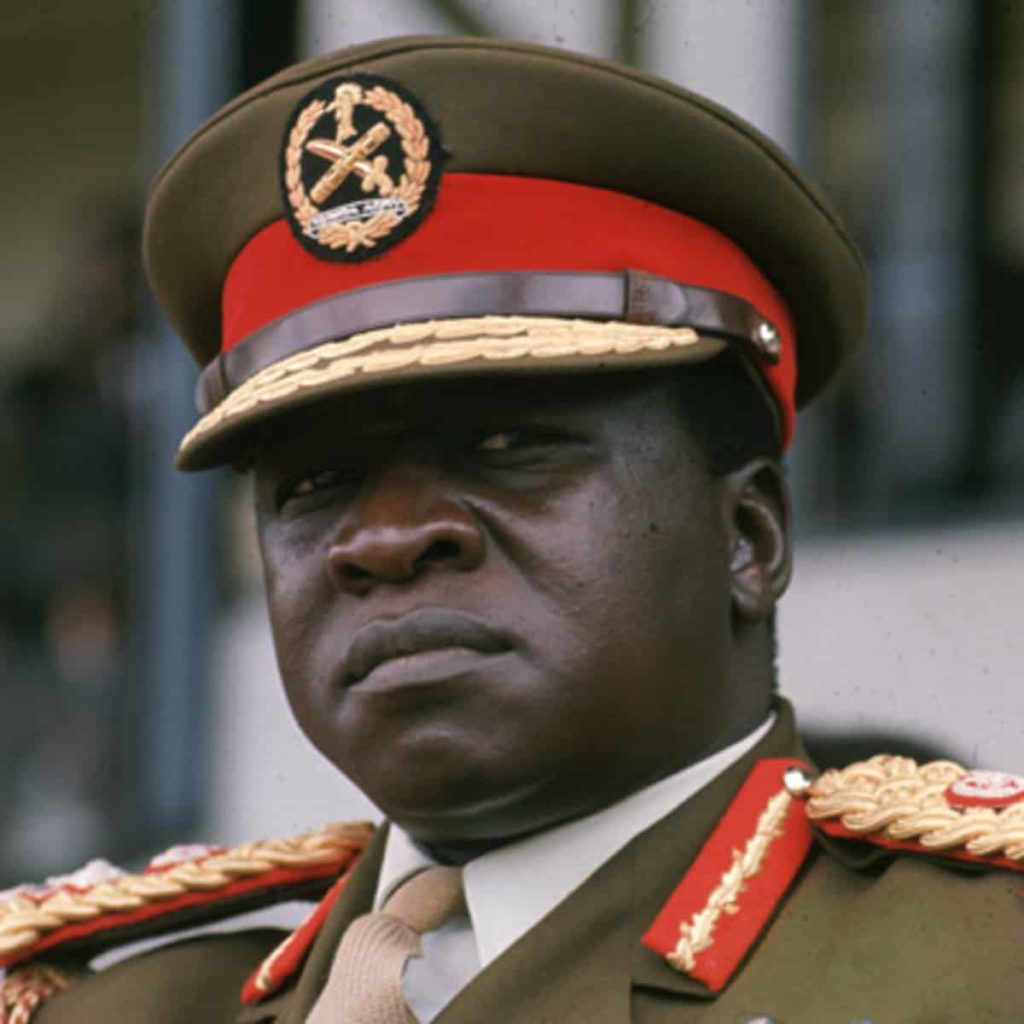
Idi Amin was a military officer and dictator who ruled Uganda from 1971 to 1979. Before entering politics, Amin was known for his athletic background and became Uganda’s heavyweight boxing champion for several years.
In 1971, while President Milton Obote was attending a meeting abroad, Idi Amin seized control of the government through a military coup.
After taking power, Amin promised economic growth and stability, but soon declared himself President of Uganda and established an authoritarian regime.
During his rule, Amin gained international notoriety for extreme violence, political repression, and human rights abuses.
He became widely known as the “Butcher of Uganda” because of reports of mass killings, torture, and executions carried out under his government.
Historians estimate that hundreds of thousands of Ugandans were killed during Amin’s dictatorship between 1971 and 1979.
His regime targeted political opponents, ethnic groups, intellectuals, and civilians suspected of disloyalty.
Numerous stories about Amin’s brutality circulated internationally, including claims involving torture, mutilation, and feeding victims to crocodiles.
Some of these accounts remain controversial or difficult to fully verify, but his government is broadly remembered as one of the most violent dictatorships in African history.
Idi Amin was removed from power in 1979 after the Uganda–Tanzania War. He later lived in exile and died of natural causes in 2003.
7. Mao Zedong
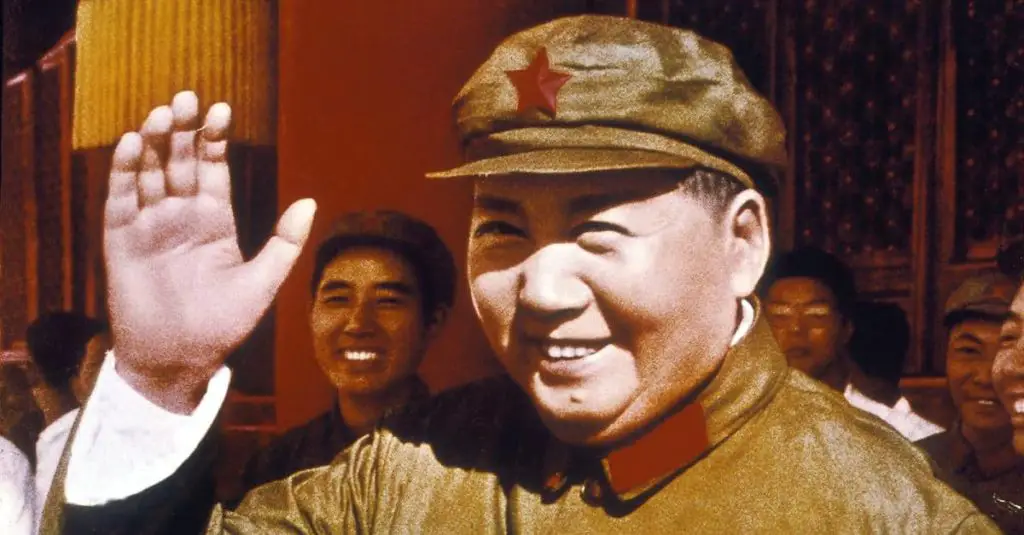
Mao Zedong was the leader of China and the founding chairman of the Chinese Communist Party. He ruled China from 1949 until his death in 1976 and remains one of the most influential and controversial political figures in modern history.
Mao sought to transform China into a powerful socialist state through rapid industrialization, agricultural reforms, and centralized political control.
Under his leadership, China experienced major political and economic campaigns, including the Great Leap Forward and the Cultural Revolution.
Historians widely agree that Mao’s policies contributed to massive human suffering. The Great Leap Forward, in particular, caused one of the deadliest famines in human history due to forced collectivization, economic mismanagement, and unrealistic production policies.
Estimates of deaths linked to famine, forced labor, political purges, and executions during Mao’s rule range from 40 million to 70 million people.
At the same time, supporters credit Mao with unifying China, increasing literacy, expanding infrastructure, and laying the foundation for China’s rise as a major global power.
Critics, however, argue that these achievements came at an enormous human cost.
Mao Zedong died in 1976 due to declining health and illness, but his political legacy continues to shape debates about communism, authoritarianism, and modern Chinese history.
6. Vlad the Impaler
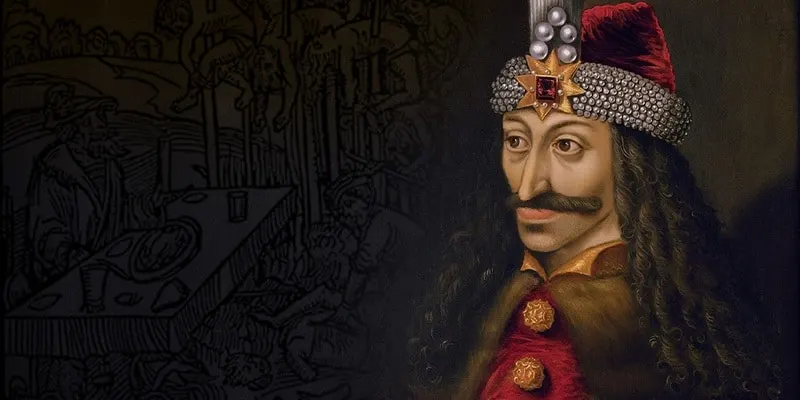
Vlad the Impaler, also known as Vlad III or Vlad Dracula, was a ruler of Wallachia during the 15th century. He ruled the region multiple times between 1448 and 1476 and became infamous for his extreme brutality toward enemies and criminals.
Vlad earned the nickname “Vlad the Impaler” because impalement was one of his preferred methods of execution.
Victims were reportedly placed on large wooden stakes that slowly pierced the body, creating a terrifying public display intended to intimidate enemies and discourage rebellion.
His violent reputation later inspired parts of the fictional vampire character Count Dracula created by Bram Stoker in the novel Dracula.
Historical accounts and German pamphlets from the period describe numerous acts of cruelty attributed to Vlad, including torture, mass executions, and attacks against civilians.
Some reports claimed he committed horrific acts against families and prisoners. However, historians note that many stories about Vlad were likely exaggerated or influenced by political propaganda created by his enemies.
Despite his reputation for cruelty, some people in Romanian history also viewed Vlad as a strong ruler who defended his territory against foreign invasions and punished corruption and crime harshly.
5. Shirō Ishii
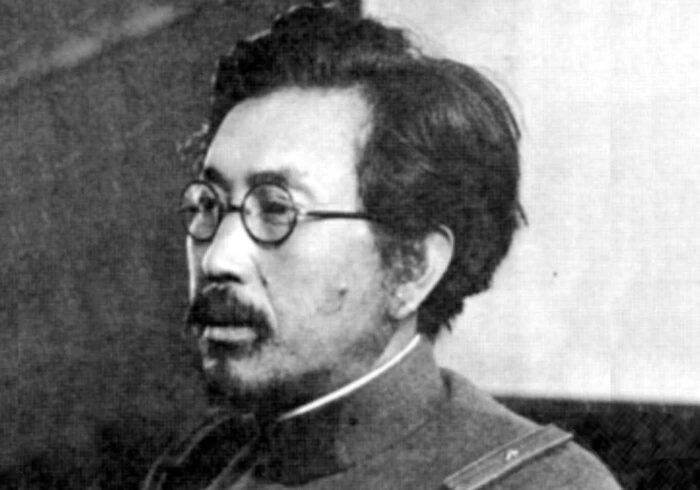
Shirō Ishii was a microbiologist and lieutenant general in the Imperial Japanese Army during the Second Sino-Japanese War and World War II.
He was the leader of Unit 731, a secret military program involved in biological and chemical warfare experiments.
Unit 731 became infamous for conducting extremely brutal human experiments on prisoners, including civilians, prisoners of war, and other detainees.
Historical records and investigations describe acts such as vivisection without anesthesia, forced infection with deadly diseases, frostbite experiments, and biological weapons testing on living people.
Victims were reportedly subjected to amputations, disease exposure, and experiments involving plague, cholera, syphilis, and other infections.
Some prisoners were also used in explosive and weapons testing. These actions are widely recognized as war crimes and crimes against humanity.
After the war, Ishii and several members of Unit 731 avoided prosecution. Reports indicate that American occupation authorities granted immunity to some researchers in exchange for data collected from the experiments, a decision that remains highly controversial among historians.
Shirō Ishii never faced trial for his actions and later died from throat cancer in 1959 at the age of 67. His legacy remains one of the darkest chapters in the history of human experimentation and biological warfare.
4. Abu Bakr al-Baghdadi
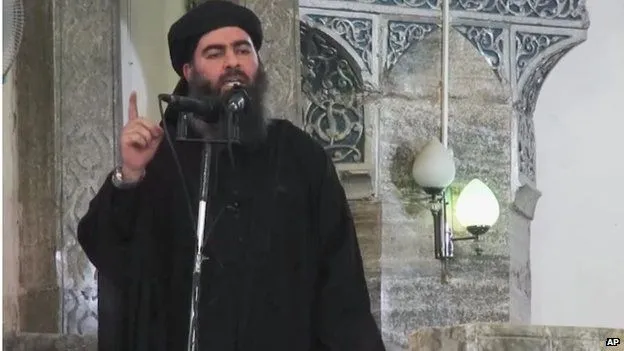
Abu Bakr al-Baghdadi was the leader of the Islamic State, also known as ISIS or ISIL. Under his leadership, the group evolved from a regional insurgency into a global terrorist network that attracted recruits from more than 100 countries.
Al-Baghdadi became one of the world’s most wanted terrorist leaders, and the United States Department of State offered a reward of $25 million for information leading to his capture.
ISIS was responsible for numerous terrorist attacks, mass killings, kidnappings, and acts of extreme violence across the Middle East, Europe, Asia, and other regions.
During Al-Baghdadi’s leadership, the organization carried out or inspired attacks that caused thousands of deaths worldwide.
Several major attacks linked to ISIS included the 2015 San Bernardino attack, the 2016 Berlin truck attack, the 2016 Nice truck attack, and the 2019 Sri Lanka Easter bombings. These attacks targeted civilians and became some of the deadliest terrorist incidents of the decade.
Al-Baghdadi’s leadership was marked by widespread international condemnation due to ISIS’s brutality, including executions, slavery, terrorism, and crimes against civilians.
In 2019, Abu Bakr al-Baghdadi died during a U.S. military operation in northwestern Syria, bringing an end to his leadership of ISIS.
3. Pol Pot
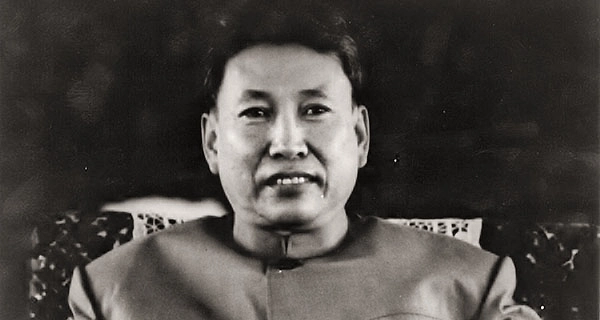
Pol Pot was the leader of the Khmer Rouge and one of the main figures behind the Cambodian genocide. He ruled Cambodia as Prime Minister from 1976 to 1979.
Pol Pot and the Khmer Rouge attempted to transform Cambodia into a radical agrarian communist society by eliminating existing social, cultural, and economic systems.
Cities were emptied, religion was suppressed, private property was abolished, and millions of people were forced into labor camps and rural communes.
During his rule, widespread executions, forced labor, starvation, disease, and torture led to the deaths of an estimated 1.5 to 2 million people, roughly a quarter of Cambodia’s population at the time.
Victims included intellectuals, religious groups, political opponents, and ordinary civilians accused of disloyalty.
Historical accounts and survivor testimonies describe many acts of extreme brutality carried out under the Khmer Rouge regime, including torture and the killing of families and children.
The regime became internationally recognized as one of the deadliest and most violent governments of the 20th century.
Pol Pot lost power after Vietnam invaded Cambodia in 1979 and overthrew the Khmer Rouge government. He later remained active in guerrilla movements before eventually dying in 1998 from natural causes.
His legacy remains closely associated with genocide, authoritarianism, and crimes against humanity.
2. Adolf Hitler
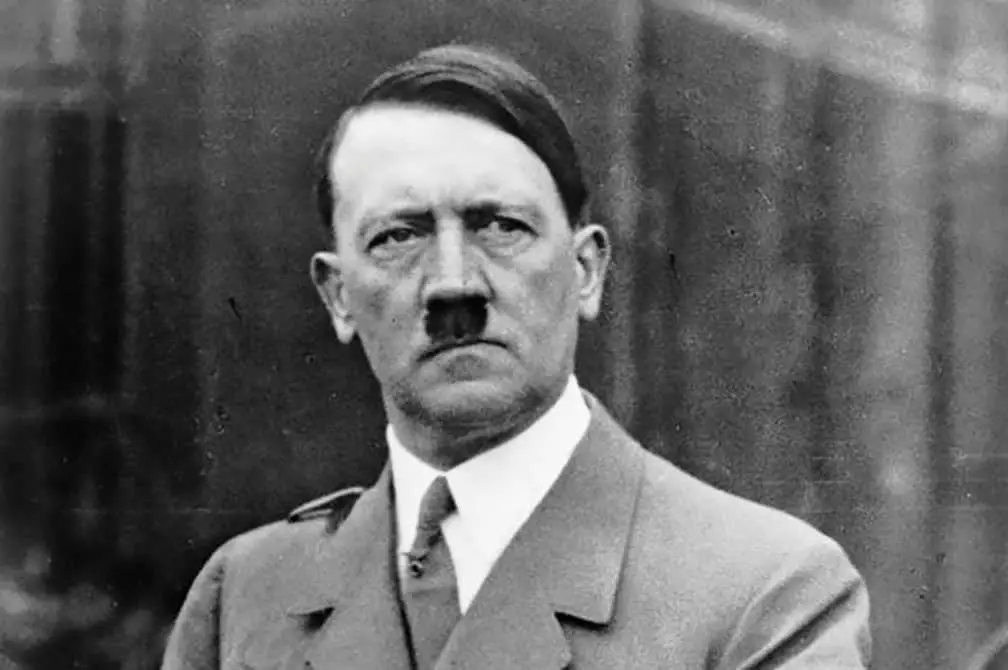
Adolf Hitler was the dictator of Germany from 1933 to 1945 and the leader of the Nazi Party. He is widely regarded as one of the most destructive and notorious political figures in modern history.
Hitler played a central role in starting World War II, a war that caused the deaths of more than 50 million people worldwide.
His expansionist policies, military aggression, and authoritarian rule led to widespread devastation across Europe and beyond.
He was also the primary architect of the Holocaust, the systematic genocide carried out by Nazi Germany. Millions of Jews, along with Romani people, disabled individuals, political opponents, and other minority groups, were persecuted and murdered under his regime.
Hitler promoted antisemitic ideology and falsely blamed Jewish communities for Germany’s economic and political problems.
Before entering politics, Hitler attempted a career as an artist and spent time in artistic and cultural circles in Vienna.
However, his later political rise transformed him into the leader of one of the most violent regimes in history.
1. Joseph Stalin
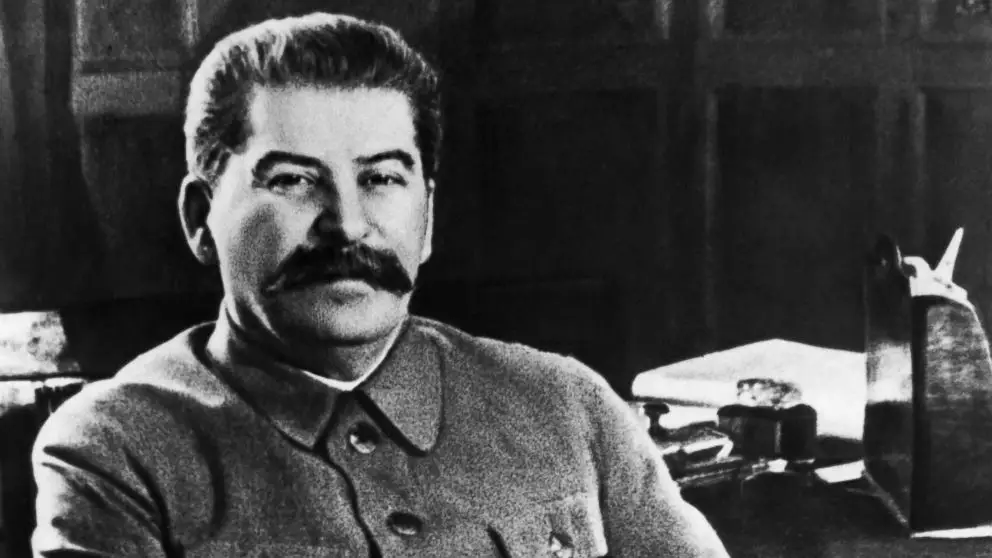
Joseph Stalin ruled the Soviet Union from the mid-1920s until his death in 1953. He became one of the most powerful and controversial political leaders of the 20th century.
Before rising to power, Stalin was involved in revolutionary activities, including robberies and underground operations connected to the Bolshevik movement.
After the death of Vladimir Lenin, Stalin consolidated control over the Soviet government and established an authoritarian regime based on fear, political repression, and centralized power.
During Stalin’s rule, millions of people died due to forced collectivization, political purges, labor camps, executions, famine, and harsh state policies.
The Holodomor and other famines during the 1930s caused widespread starvation and mass deaths across parts of the Soviet Union.
Stalin also carried out the Great Purge, during which political opponents, military leaders, intellectuals, and ordinary citizens were imprisoned, executed, or sent to forced labor camps known as gulags.
Family members of suspected enemies were often targeted as well.
Near the end of World War II, widespread violence and crimes were committed during the Soviet advance into Germany, including large-scale assaults against civilians. Historians estimate that millions suffered during this period.
The bad people in history left behind a legacy of war, genocide, dictatorship, and mass murder. From Adolf Hitler to Joseph Stalin and Pol Pot, these people caused millions of deaths and shaped some of the darkest chapters in world history.
Studying these infamous dictators, political gangsters and war criminals helps us understand the dangers of absolute power, extremism, and political oppression.