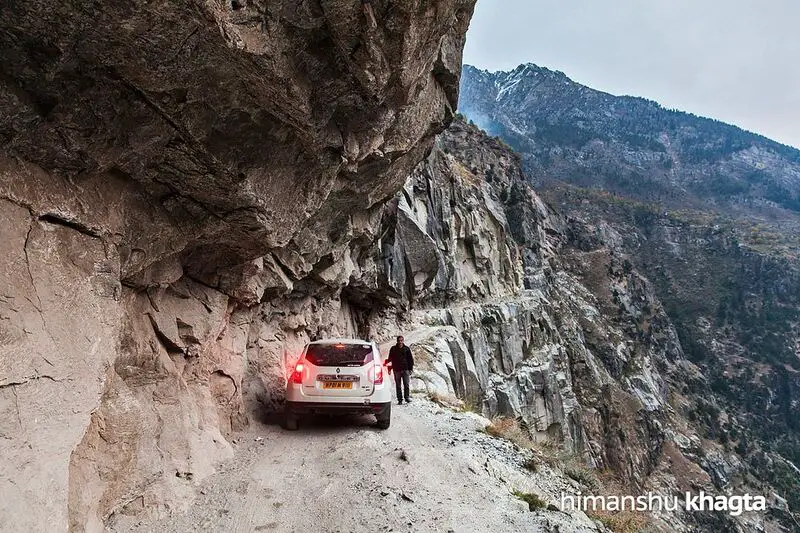
Modern automobile companies use advanced safety technology and innovative driving systems to reduce accidents and improve road safety.
However, some of the world’s most dangerous roads remain extremely risky despite these technological advancements.
From narrow mountain passes and steep cliff roads to hazardous highways, dirt roads, freeways, and remote expressways, these routes continue to challenge even experienced drivers and riders.
Dangerous weather conditions, sharp turns, unstable terrain, and high altitudes make these roads some of the deadliest driving routes in the world.
Whether traveling by car or motorcycle, these roads present constant danger and require exceptional driving skill and caution. Below is a list of the 10 most dangerous roads in the world:
10. BR-116, Brazil
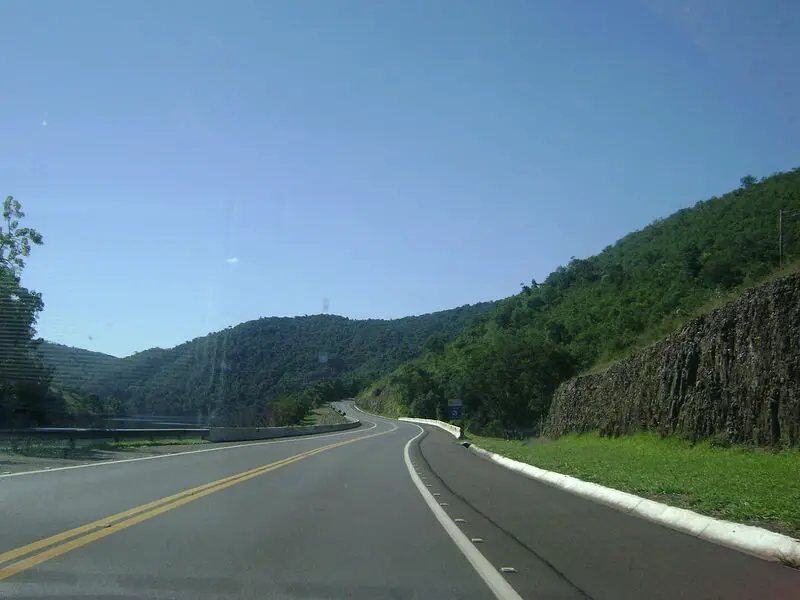
BR-116 is the second-longest highway in Brazil, extending about 4,385 kilometers (2,725 miles) from southern to northern Brazil along areas near the coastline.
Known as the “Highway of Death” and “Highway to Hell,” BR-116 is considered one of the most dangerous highways in the world because of its high number of road accidents and fatalities.
Unpredictable weather conditions, poor road quality, dangerous curves, and narrow cliffside sections make driving extremely risky.
The highway demands complete concentration from drivers, as even experienced fast driving drivers can struggle with its hazardous conditions.
Heavy rain, fog, damaged road surfaces, and steep mountain stretches increase the chances of deadly crashes every year.
BR-116 records thousands of road deaths annually, earning a reputation as one of the deadliest roads in South America. In some remote areas, limited police patrols and reports of armed robberies also add to the danger faced by travelers.
9. The Way to Fairy Meadows, Pakistan
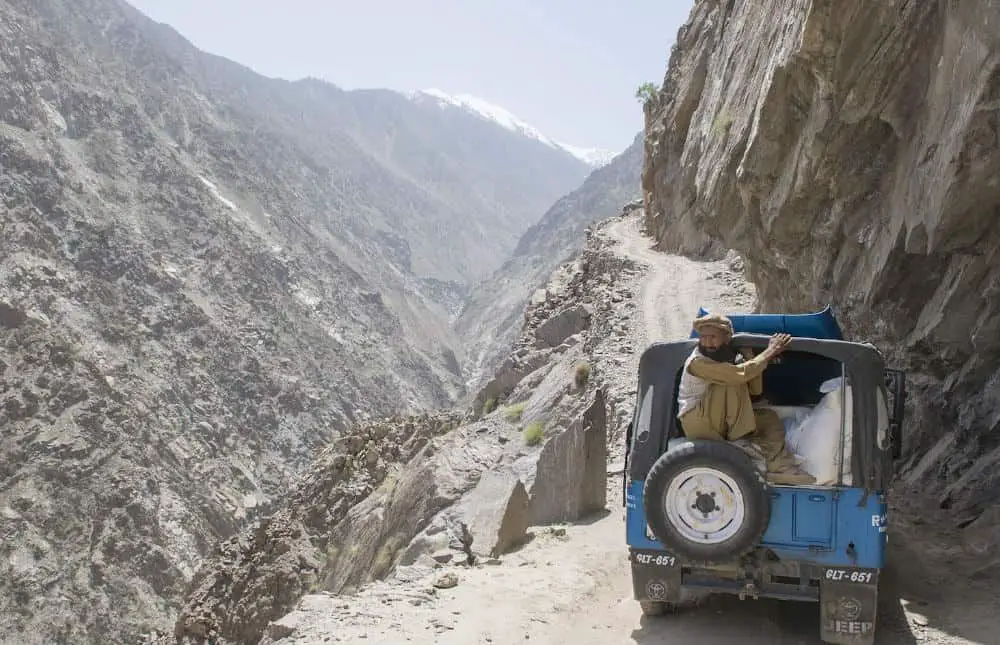
Fairy Meadows Road is one of the most dangerous mountain roads in the world. Located in the Gilgit-Baltistan region of Pakistan, the road stretches around 16.2 kilometers and leads to the famous Fairy Meadows area near the base camp of Nanga Parbat.
Nanga Parbat, “Naked Mountain” in Sanskrit, is also known as the “Killer Mountain” because of its dangerous climbing conditions and high fatality rate among mountaineers.
Fairy Meadows Road is a narrow, gravel mountain road built centuries ago by local mountain communities. The road remains largely unmaintained and lacks safety barriers or guardrails, making it extremely hazardous for drivers and travelers.
Near the final section, the road becomes so narrow that larger vehicles can barely pass through. In some areas, travelers must continue by hiking or biking along steep cliff edges.
A single driving mistake can lead to a deadly fall into deep ravines below.
Due to its dangerous terrain, sharp drops, and poor maintenance, Fairy Meadows Road is considered one of the deadliest roads in Pakistan and the world.
8. Atlantic Ocean Road, Norway
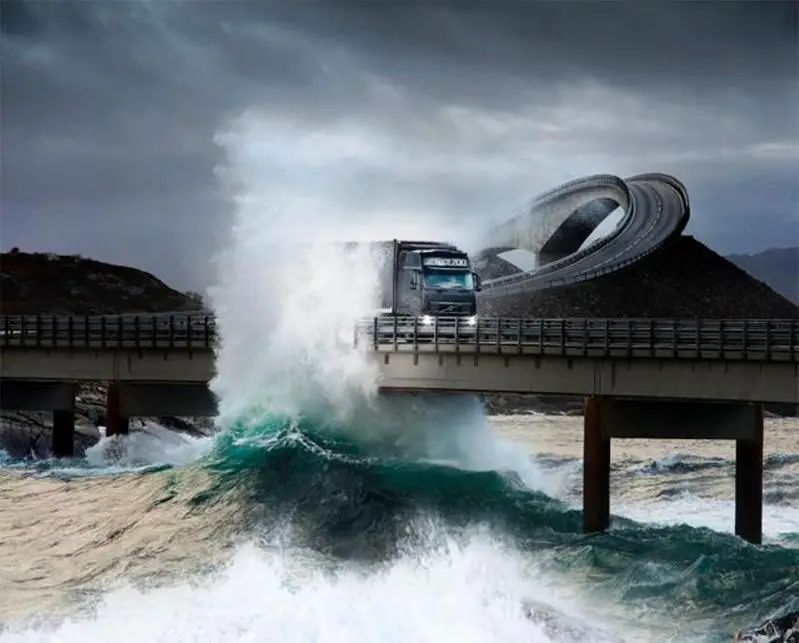
Atlantic Ocean Road, also known as the Atlantic Road, is an 8.3-kilometer-long coastal highway located in Møre og Romsdal, Norway. The road is widely regarded as one of the world’s most dangerous and dramatic driving routes.
Built during the 1980s, the Atlantic Ocean Road has become a major tourist attraction because of its unique bridges, ocean views, and extreme weather conditions.
The highway connects several small islands using elevated bridges that appear to rise and twist above the sea.
Driving on the Atlantic Road can become extremely dangerous during storms and rough weather. Powerful ocean waves often crash against the bridges, while strong winds, rain, and slippery road conditions create a frightening driving experience.
During severe weather, drivers may feel as though the raging sea could sweep vehicles into the ocean at any moment, or roller coaster-like, slippery asphalt.
The combination of sharp curves, narrow sections, and unpredictable North Atlantic weather makes the Atlantic Ocean Road one of the craziest and most hazardous roads in the world.
7. R504 Kolyma Highway (“The Road of Bones”), Russia
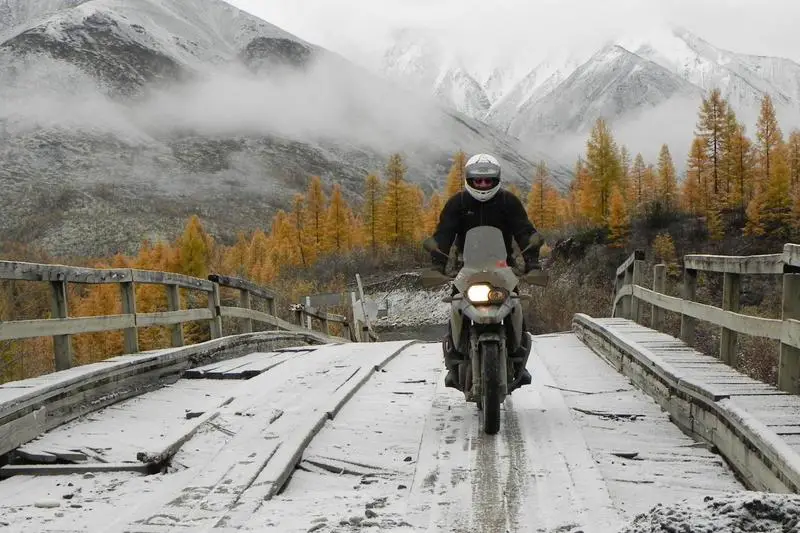
The 2,032 km-long Kolyma Highway links the towns of Magadan and Yakutsk to one of the primary highways in the Russian Far East.
Construction continued (by gulag camp inmates) until 1953.
Locals view the highway as a memorial place because there are buried bodies and bones of the prisoners who died while constructing it.
While highway employees are trying to maintain it in a satisfactory condition, Kolyma is still full of risks.
There is no asphalt because of the permafrost, creating a traffic jam caused by mud every moment, as the summer floods destroy the region.
Many sharp rocks from the passing vehicles slice tires, and the dust decreases visibility to close to none.
Occasionally, rivers wash out the highway, making it extremely difficult to pass in quicksand-like conditions.
The temperature falls to minus 60 degrees in the winter.
And the ideal meal for the wild animals living around is a cold, solitary tourist in a broken-down vehicle, straight in the center of nowhere on the lonely R504 highway.
6. Zoji La Pass, India
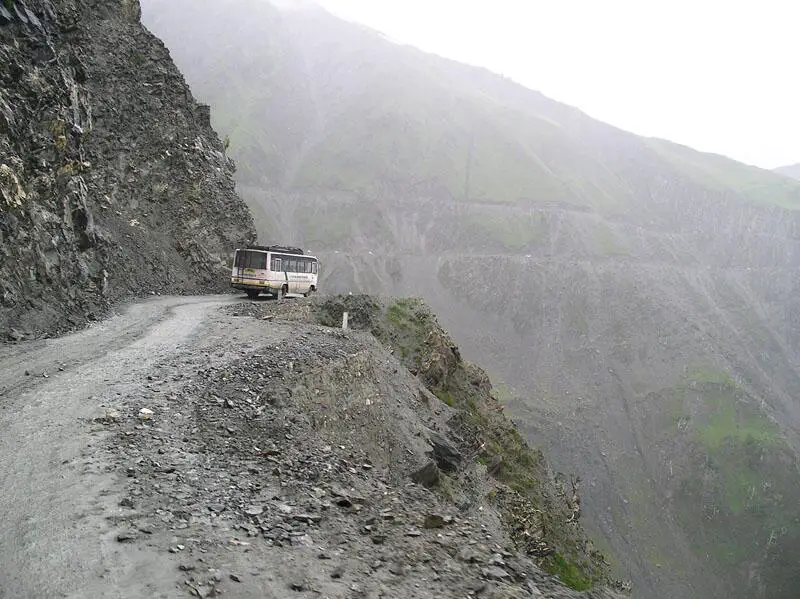
Zoji La is one of the most dangerous mountain roads in India and a famous route among adventure bikers and travelers.
Located at an altitude of more than 11,000 feet in the Himalayas, the pass connects Srinagar to Leh.
It’s known for its breathtaking mountain scenery, steep terrain, and thrilling driving experience.
Despite its beauty, the route is extremely hazardous because of narrow roads, sharp turns, unstable surfaces, and deep cliffs with little or no protective barriers.
Heavy snowfall, stormy winds, landslides, and muddy road conditions often make the pass difficult or impossible to cross, even with four-wheel-drive vehicles.
During winter, the road remains closed for long periods due to severe weather and dangerous snow accumulation.
The road becomes especially risky during rainstorms, when slippery mud and poor visibility increase the chances of accidents. With steep drops located directly beside the roadway, even experienced drivers and bikers must travel with extreme caution.
Because of its high altitude, unpredictable weather, and dangerous terrain, Zoji La is considered one of the deadliest roads in India and one of the most dangerous mountain passes in the Himalayas.
5. Sichuan-Tibet Highway, China
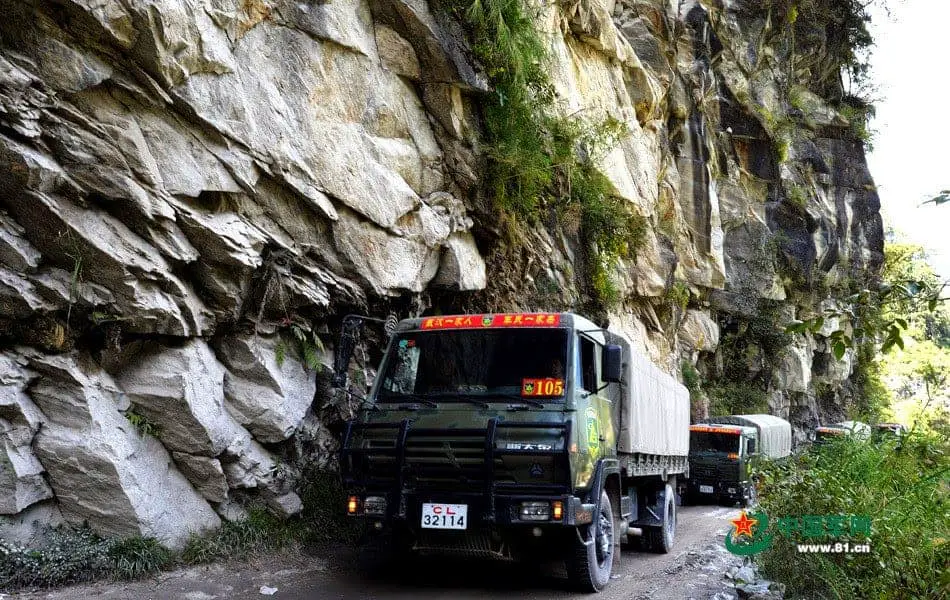
The Sichuan–Tibet Highway is one of the most dangerous highways in the world. Stretching around 2,142 kilometers, the route begins in Chengdu and ends in Lhasa, crossing some of the harshest mountain terrain in Asia.
Also notorious for terrible riding conditions and sharp mountain-side hairpins.
The Sichuan–Tibet Highway passes through 14 major tall mountains with average elevations between 4,000 and 5,000 meters.
It also crosses large rivers, fragile bridges, remote forests, and numerous hazardous intersections. Landslides, rockfalls, avalanches, and muddy road conditions are common throughout the route.
At such high altitudes, oxygen levels are only about half of those at sea level, making travel physically demanding for both drivers and passengers.
Vehicles can become trapped in mud for days or even weeks during severe weather conditions.
The highway has also faced reports of robberies, conflicts, harassment, and kidnappings in remote areas. Because of these dangers, travelers are strongly advised to fully prepare their vehicles before attempting the journey.
Wrecked and damaged vehicles along the roadside are a common reminder of how risky and unforgiving the Sichuan–Tibet Highway can be.
4.Taroko Gorge Road, Taiwan
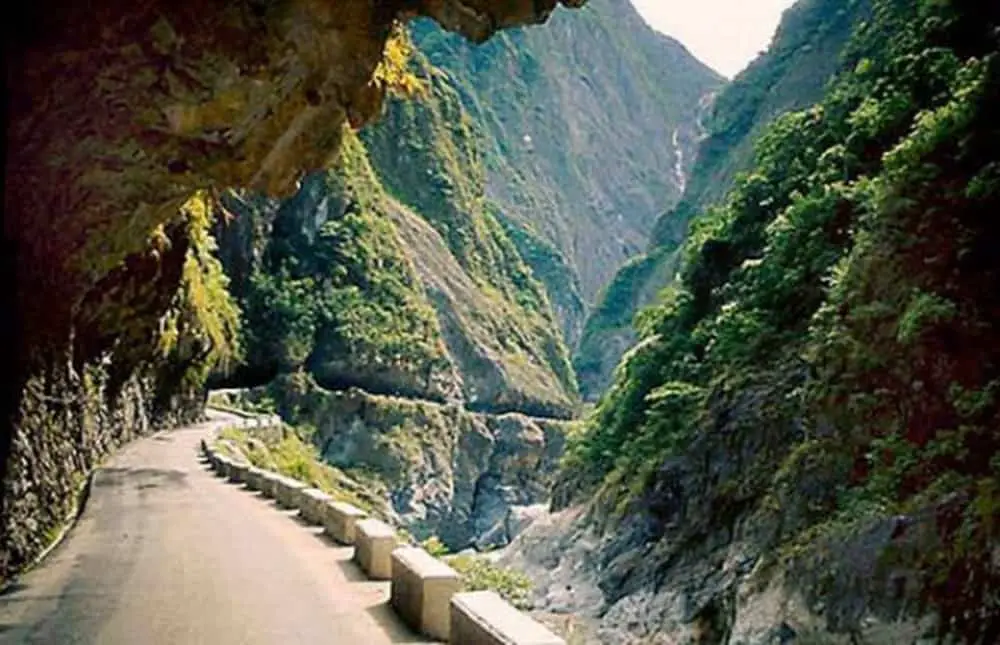
Taroko Gorge is one of the most famous natural attractions in Taiwan. Located on Taiwan’s eastern coast, the 19-kilometer-long gorge is part of Taroko National Park, one of the country’s most visited national parks.
The road through Taroko Gorge, also known as the Central Cross-Island Highway, is considered one of the scariest and most dangerous roads in the world.
Carved directly into steep mountain cliffs, the highway passes through narrow tunnels, sharp turns, and sections cut into the rock face.
Although the route offers breathtaking scenery, the road is extremely narrow in many areas, allowing only one large vehicle, such as a tourist bus, to pass at a time.
Steep cliffs, blind corners, and limited space make driving through the gorge highly challenging.
Similar to China’s Guoliang Tunnel Road, the Taroko Gorge Road is known for its dangerous mountain terrain and dramatic engineering.
Taiwanese guidebooks and historical accounts state that hundreds of workers lost their lives during the construction of the highway.
Today, Taroko Gorge remains both a major tourist destination and one of the most hazardous mountain roads in Asia.
3. Complete Himalayan Road Network, India, Nepal,China & Pakistan
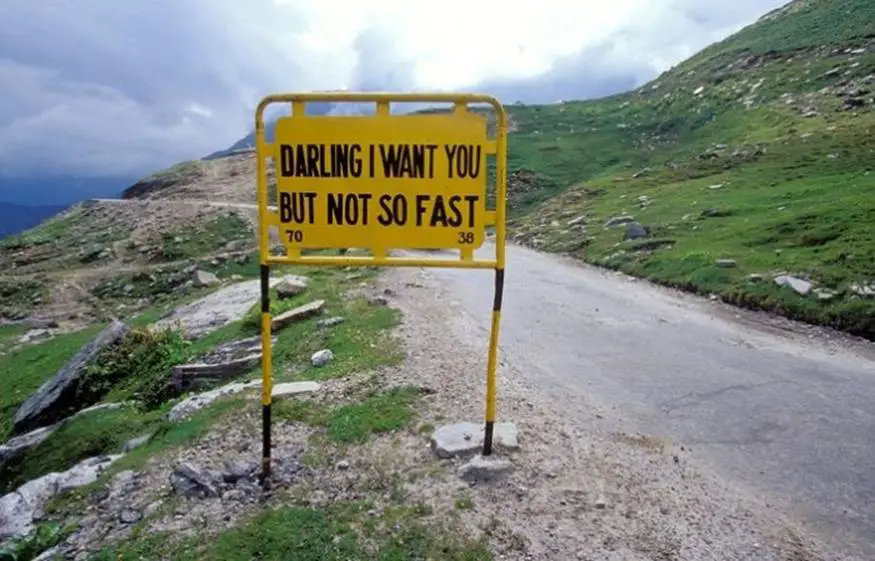
Road networks across the Himalayas are known for their breathtaking scenery and some of the most dangerous driving conditions in the world.
Many Himalayan roads are poorly constructed, narrow, unfenced, and highly vulnerable to landslides, snow, and extreme weather.
These mountain highways often feature slippery gravel paths, steep cliffs, sharp turns, and deep ravines, with crashed vehicles and overturned buses serving as reminders of the risks involved.
Travelers driving through the Himalayas must constantly prepare for dangerous terrain and sudden weather changes.
Some of the world’s deadliest roads are located in this region, including Zoji La, the Karakoram Highway, and several other high-altitude mountain passes.
One particularly dangerous Himalayan highway sits at an elevation of around 11,578 feet and consists mainly of a narrow, collapsing gravel road carved through some of the world’s longest mountain ranges.
With limited space, unstable surfaces, and steep drops, even a small mistake can become fatal for unprepared drivers.
2.”Road of Death”, Bolivia
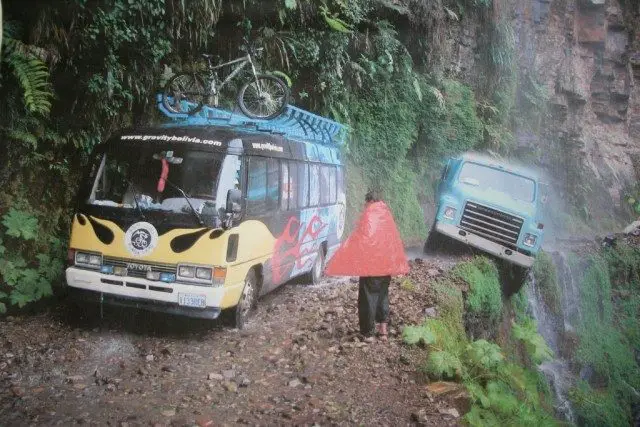
It’s not a good idea to travel on a highway nicknamed “The Road of Death.”
Yungas Road, also known as the “Road of Death,” is located in Bolivia. The road connects La Paz to Coroico through a narrow mountain route stretching nearly 50 miles.
The Bolivian Yungas Road is infamous for its single-lane dirt track, steep cliffs, and vertical drops of up to 3,000 feet into the Amazon rainforest. The route contains more than 200 dangerous hairpin turns, making driving extremely hazardous.
Before safer alternative routes were built, hundreds of drivers, passengers, and cyclists lost their lives on the road.
Reports from the past estimated that nearly 300 people died there annually before 1994. Along the roadside, many memorials mark locations where vehicles plunged into deep jungle ravines below.
A newer two-lane paved highway has since bypassed the most dangerous sections, significantly reducing regular vehicle traffic on the original route.
However, the Death Road remains popular among thrill-seeking cyclists and adventure tourists, and serious accidents still occur.
The surrounding South Yungas and North Yungas mountain roads continue to be regarded as some of the deadliest and most terrifying roads in South America.
1. Killar to Pangi Road, via Kishtwar, India
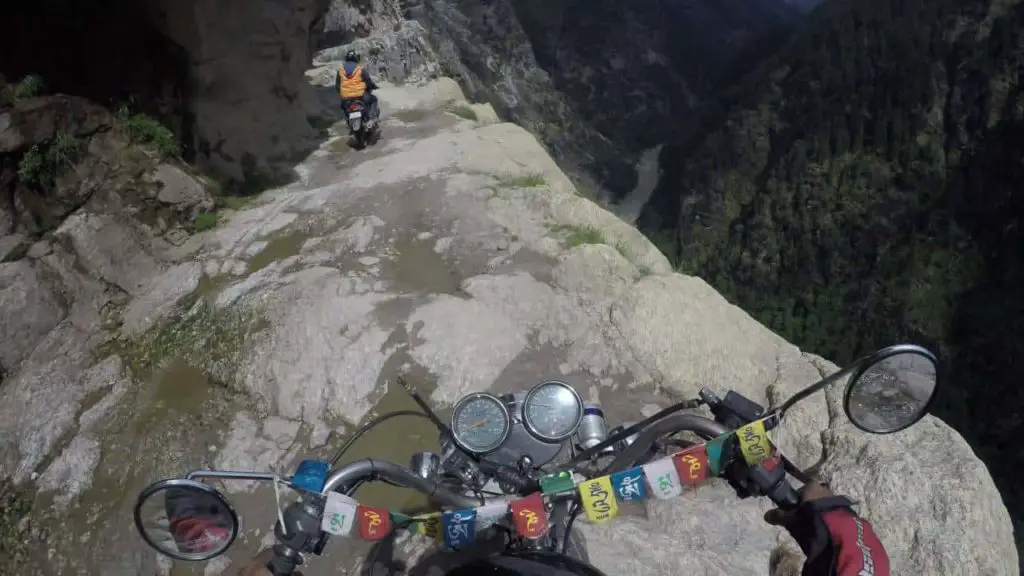
This gut-wrenching highway only applies to individuals who regularly drive in the hills and have steel nerves.
Killer to Pangi road is considered as the most dangerous road in the world.
This rocky, fragile mountain pass is about 70 miles long, open only during the summer months.
Especially deadly is a six-mile stretch of road; rocky overhangs look like they might collapse at any moment.
Local villagers built this road hundreds of years ago and haven’t fixed it over the decades.
This dirt-and-gravel highway is unstable in some spots, only wide enough for one jeep at a time, and that too without guardrails.
A wrong driver’s move might send a car down a vertical 2,000-foot 90-degree cliff.
This mountain trail is so frightening that it is too difficult to see pictures or videos of people riding over it; the anxiety is like watching a slasher horror movie.
This list was for the deadliest roads according to its historical records and construction.
If you are a daredevil and planning to have a ride with your friends, please share this article on social media.