The world’s highest mountain peaks have fascinated climbers and adventurers for centuries. These colossal geological wonders showcase the raw power of tectonic forces and the extreme elevation of the planet.
From the legendary death zone of the Himalayas to the rugged terrain of the Karakoram range, these massive peaks challenge the limits of human endurance.
In this comprehensive guide, we rank and explore the top 10 tallest mountains in the world based on official height above sea level.
You will discover the fascinating geography, climbing history, and extreme conditions that define these ultimate high-altitude summits. Prepare to journey to the highest points on Earth, starting with the iconic peak of Mount Everest.
10. Annapurna I – 8,091 m (26,545 ft)
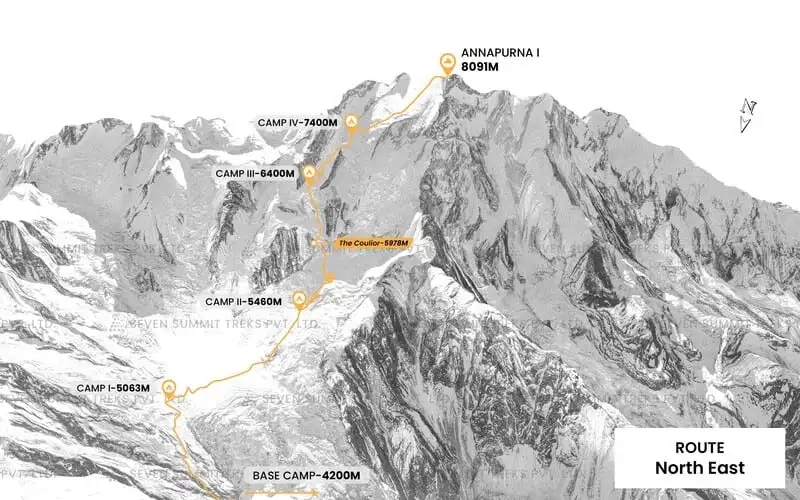
Annapurna I, in Nepal’s Annapurna massif, is the tenth‑highest mountain and was the first 8,000‑m peak ever climbed, in 1950, by a French expedition led by Maurice Herzog. Despite its “low” rank on the height list, it has one of the highest fatality rates among the 8,000‑m peaks, earning it a fearsome reputation in mountaineering circles.
9. Nanga Parbat – 8,126 m (26,660 ft)
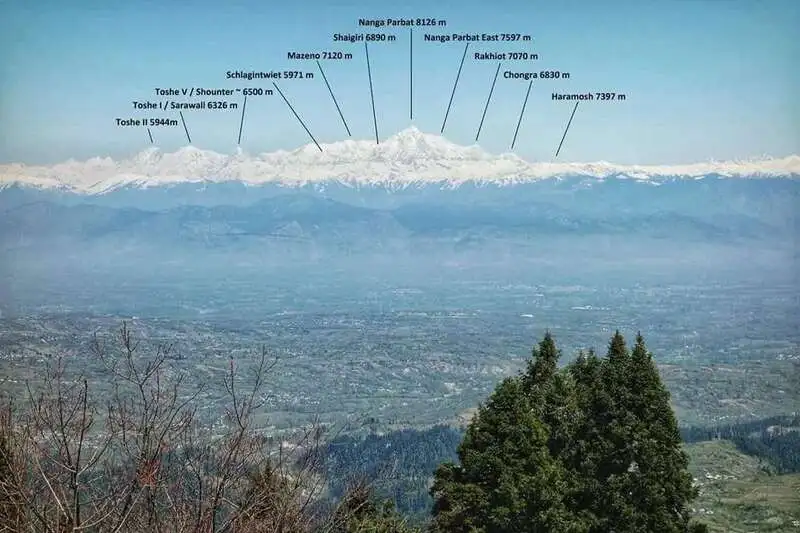
Nanga Parbat in Pakistan’s western Himalayas is the ninth‑highest mountain and is known for its dramatic, naked‑rock face rising more than 4,000 m above the surrounding valleys. With a history of storms, avalanches, and high fatalities, it is one of the most notorious and respected 8,000‑m peaks.
8. Manaslu – 8,163 m (26,781 ft)
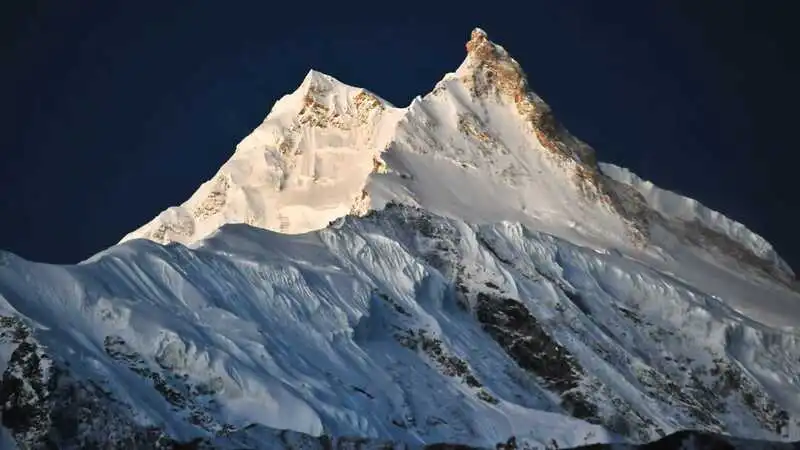
Manaslu, in the Nepalese Himalayas, is the eighth‑highest peak and is nicknamed the “Mountain of the Spirit” for its spiritual significance to locals. Its long, remote approaches and high‑avalanche risk have kept it less crowded than Everest, but it still attracts many climbers seeking the 8,000‑m club.
7. Dhaulagiri I – 8,167 m (26,795 ft)
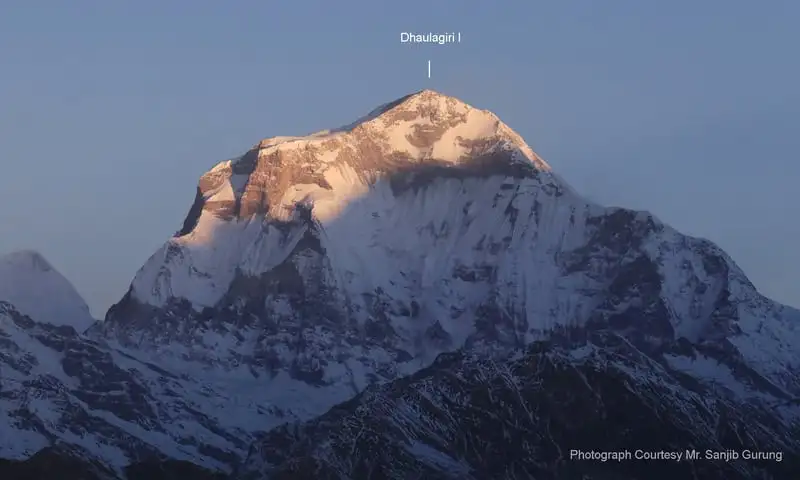
Dhaulagiri I, in western Nepal, is the seventh‑highest mountain and stands across the Kali Gandaki River from the Annapurna massif, creating one of the world’s deepest elevation gradients. Its steep faces and avalanche‑prone slopes make it a formidable and deadly objective, especially in the winter months.
6. Cho Oyu – 8,188 m (26,864 ft)
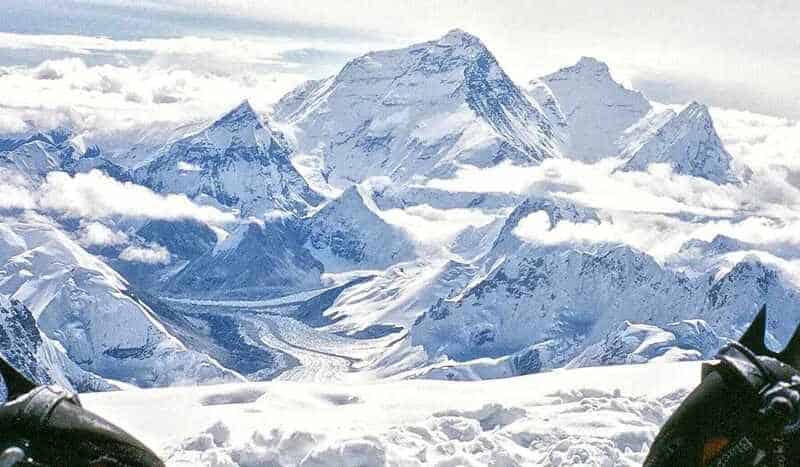
Cho Oyu, on the Nepal–Tibet border west of Everest, is the sixth‑highest mountain and is often considered the “easiest” 8,000‑m peak thanks to a relatively straightforward northwest ridge route. First climbed in 1954, it is a popular training objective for climbers aiming toward Everest.
5. Makalu – 8,485 m (27,838 ft)
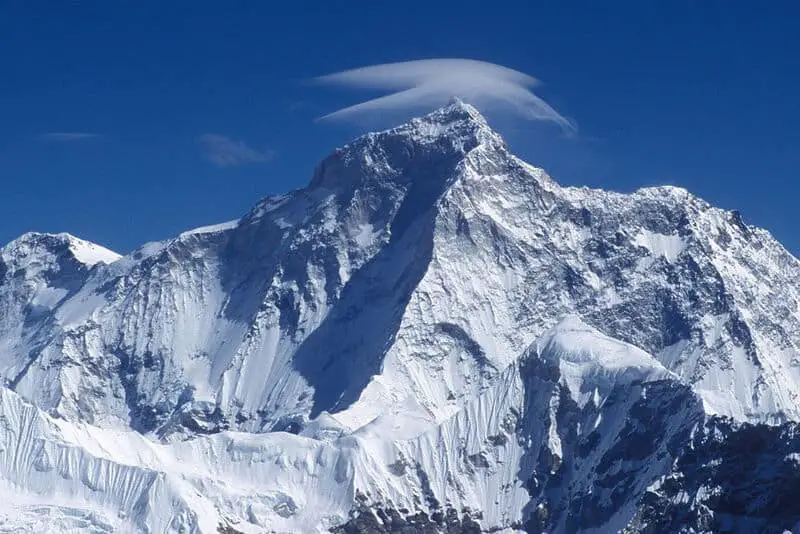
Located about 19 km southeast of Everest on the Nepal–China border, Makalu is the fifth‑highest mountain and one of the most isolated of the 8,000‑m peaks. Its four‑sided pyramid‑like summit and severe weather patterns make it both visually striking and a serious technical challenge.
4. Lhotse – 8,516 m (27,940 ft)
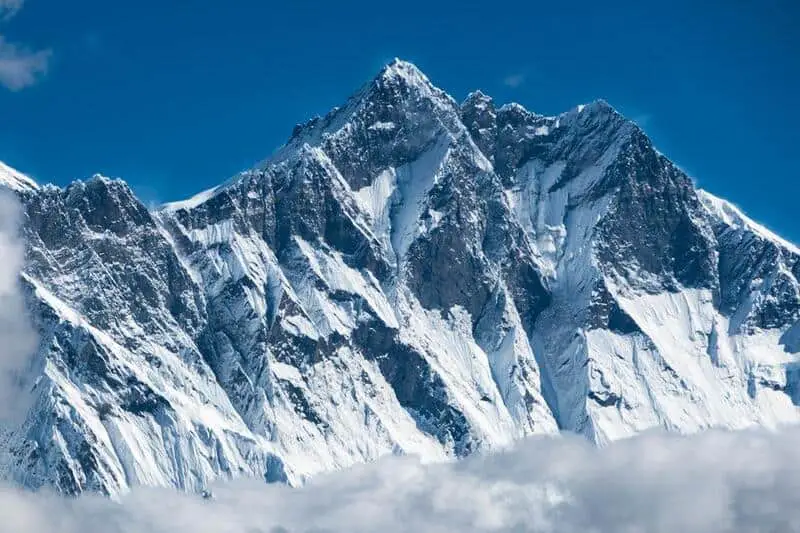
Lhotse, next to Everest, is connected to it by the South Col and is the fourth‑tallest peak. Its notoriously steep south face is one of the most challenging unclimbed walls in the world, while the main route is often used by Everest‑bound climbers acclimatizing on the same massif.
3. Kangchenjunga – 8,586 m (28,169 ft)
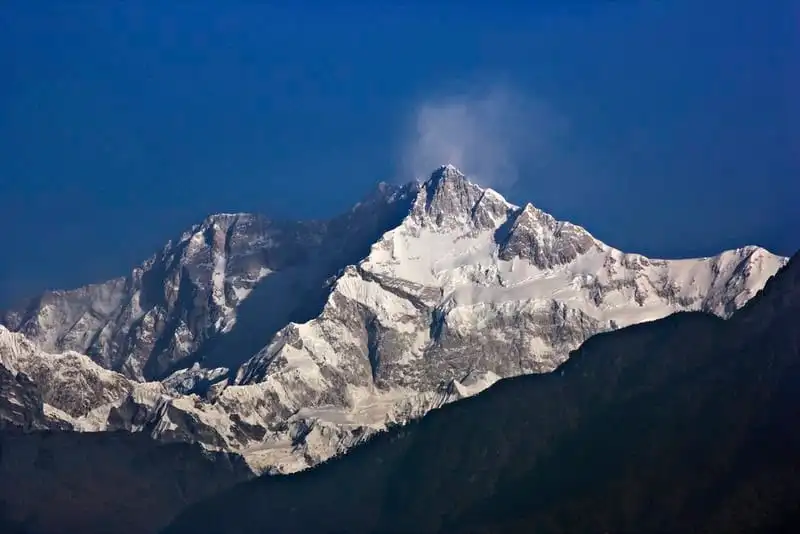
Straddling the border between India (Sikkim) and Nepal, Kangchenjunga is the world’s third‑highest mountain and holds deep spiritual importance for local communities, who often avoid stepping on the true summit out of reverence. Its remote, complex ridges keep it less crowded than Everest but still a major draw for experienced mountaineers.
2. K2 – 8,611 m (28,251 ft)
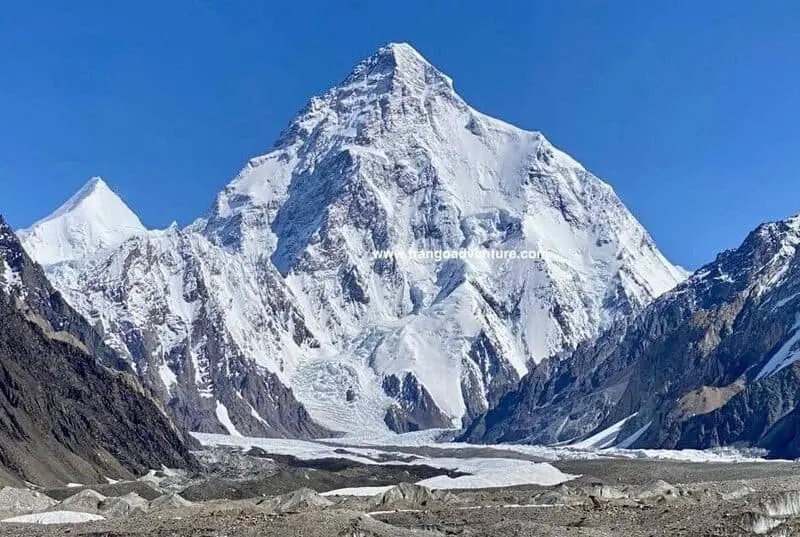
K2, in the Karakoram Range on the Pakistan–China border, is the second‑highest peak and widely regarded as technically harder and more deadly to climb than Everest. Glaciers, rockfall, and frequent storms contribute to its fearsome reputation, earning it the nickname “Savage Mountain.”
1. Mount Everest – 8,848 m (29,029 ft)
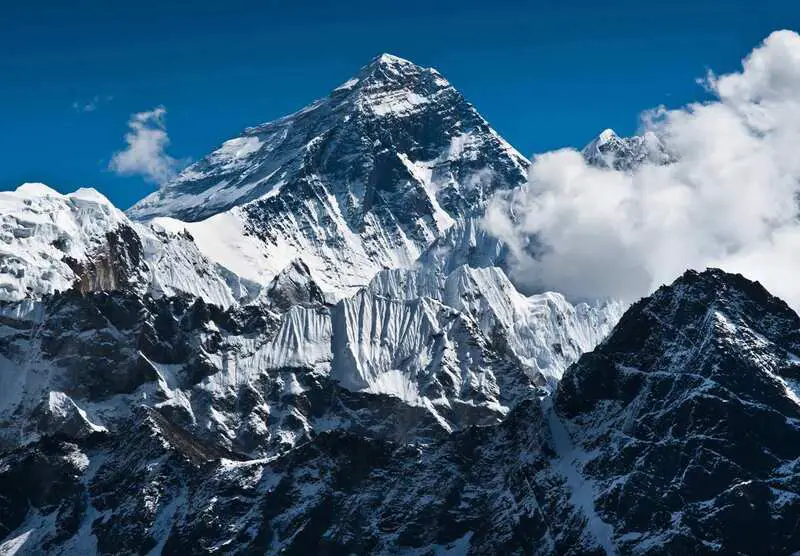
Rising in the Mahalangur Himal range on the Nepal–Tibet (China) border, Mount Everest is the highest mountain on Earth. First summited in 1953 by Sir Edmund Hillary and Tenzing Norgay, it remains the ultimate goal for many climbers, though its “death zone” above 8,000 m and extreme weather make it extremely dangerous.
Scaling the top 10 tallest mountains in the world remains the ultimate achievement in high-altitude mountaineering.
These towering peaks, all rising above 8,000 meters in Asia’s formidable mountain ranges, are more than just impressive geographic statistics.
They represent the ultimate test of human survival, willpower, and respect for the natural world.
While Mount Everest holds the crown as the highest point on Earth, every peak on this list offers unique technical challenges and breathtaking natural beauty.
As climate change shifts glacial landscapes and modern gear evolves, the allure of these massive mountain summits continues to grow. Whether you are an aspiring high-altitude climber or an armchair explorer, these magnificent peaks inspire absolute awe.